


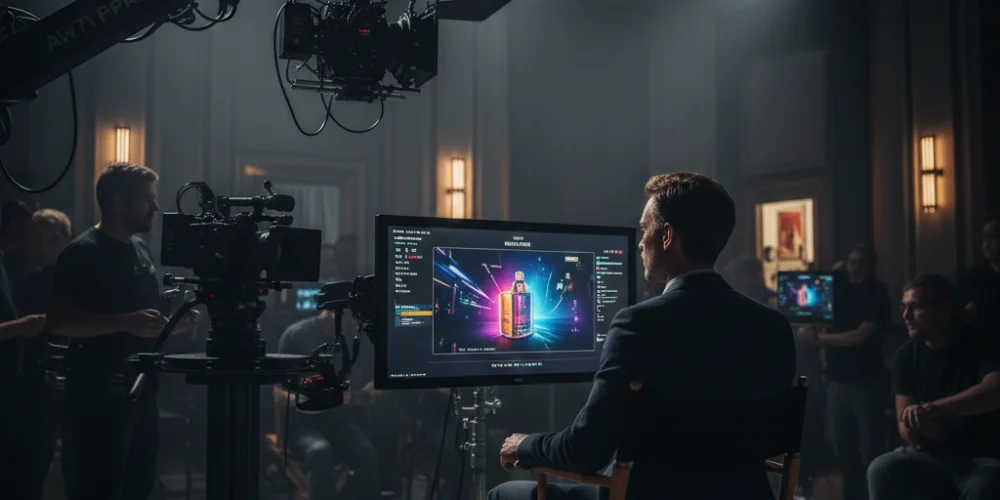
Discover how video production works for brands and why strategic video content has become one of the most powerful marketing tools today
Video content has become one of the most powerful communication tools for modern businesses. Brands across industries now rely on visual storytelling to connect with audiences, showcase products, and communicate their identity more effectively. Understanding what video production is and how it works helps businesses create stronger marketing strategies that engage viewers and build trust with potential customers.
Video production refers to the complete process of creating video content, from initial planning to filming and final editing. For brands, this process involves designing videos that communicate a message clearly while also reflecting the company’s identity, tone, and goals. Whether used for advertising campaigns, social media marketing, product demonstrations, or storytelling, professionally produced videos allow brands to deliver information in a visually engaging format.
Understanding Video Production in Modern Branding
In today’s digital landscape, visual content dominates online platforms. Video production plays a vital role in helping brands communicate quickly and effectively. Unlike static images or text-based communication, video combines motion, sound, storytelling, and emotion. This combination allows brands to present ideas in a memorable way that resonates with audiences across different platforms.
Modern consumers expect brands to communicate through visually appealing content. Short attention spans and fast-moving digital environments mean that companies must deliver messages quickly and clearly. Video production enables brands to create compelling content that explains products, highlights company values, and demonstrates expertise in ways that traditional formats often cannot achieve.
Why Video Has Become Essential for Brand Communication
One of the biggest advantages of video is its ability to communicate complex information quickly. A well-crafted video can explain services, showcase product features, and demonstrate brand values within minutes. Because viewers can see and hear the message simultaneously, the information becomes easier to understand and remember.
Another reason video production has become essential for brands is its ability to create emotional connections. Visual storytelling allows businesses to present relatable scenarios, highlight customer experiences, and show authentic moments that strengthen brand credibility. When audiences emotionally connect with a video, they are more likely to remember the brand and engage with its message.
The Core Stages of the Video Production Process
Creating professional brand videos requires a structured workflow. The video production process typically involves several stages, each playing a crucial role in delivering high-quality results. These stages ensure that the final content aligns with the brand’s communication goals and marketing strategy.
Pre-Production: Planning the Video Strategy
Pre-production is the foundation of successful video production. During this stage, the creative concept and strategic direction of the video are developed. Teams define the objective of the video, identify the target audience, and determine the core message that the content should communicate.
Scriptwriting is another important part of this stage. A well-written script ensures that the video remains clear, engaging, and focused. Storyboards are often created to visualize scenes before filming begins, allowing teams to plan camera angles, lighting, and visual sequences. Companies like Riyadh Digitals often emphasize strong pre-production planning to ensure that brand messaging remains consistent throughout the video.
Production: Capturing the Visual Story
The production phase is where the video content is actually filmed. Cameras, lighting setups, sound equipment, and creative direction come together to capture the visuals required for the project. This stage often includes multiple takes, different camera angles, and careful coordination among the production team.
During production, attention to detail is extremely important. Lighting, framing, sound quality, and scene composition must be carefully managed to ensure that the final footage looks professional and visually appealing. Brands that invest in professional production quality often produce videos that appear more credible and trustworthy to viewers.
Post-Production: Editing and Finalizing the Video
Once filming is complete, the raw footage moves into the post-production stage. This phase involves editing the recorded material to create a polished final video. Editors cut unnecessary scenes, adjust pacing, enhance visuals, and add elements such as music, sound effects, and transitions.
Color correction, motion graphics, and visual effects may also be used to improve the overall visual experience. This stage ensures that the video delivers a smooth narrative flow while maintaining the brand’s visual style and tone. For brands working with professional video production services, post-production plays a crucial role in transforming raw footage into compelling marketing content.
How Brands Use Video Production to Strengthen Marketing
Video production allows brands to communicate their value in ways that traditional marketing cannot always achieve. Companies often use videos to introduce new products, explain services, or share company stories. These videos help audiences understand what the brand stands for and why it exists.
Marketing campaigns frequently include video content because it captures attention quickly. Platforms such as social media, websites, and digital advertisements prioritize engaging visual content, making video production an essential part of modern brand strategies.
The Role of Storytelling in Brand Video Production
Storytelling is one of the most powerful aspects of video production for brands. Instead of simply promoting products, businesses can use video to share experiences, challenges, and achievements. These stories create emotional connections with viewers, making the content more memorable and impactful.
Effective storytelling focuses on authenticity. Audiences are more likely to engage with content that feels genuine and relatable. When brands communicate through authentic narratives, they build trust and credibility among their audience.
Different Types of Brand Videos Businesses Use
Brands create various types of videos depending on their goals and audience preferences. Promotional videos are commonly used to highlight products or services, while explainer videos simplify complex concepts and demonstrate how solutions work. Corporate videos introduce company culture and mission, allowing audiences to understand the people behind the brand.
Another popular format includes testimonial videos where real customers share their experiences. These videos strengthen credibility by showing genuine feedback. Educational and informative videos are also widely used to provide valuable insights while positioning the brand as an authority in its industry.
Creative teams at Riyadh Digitals often emphasize aligning video type with marketing objectives to ensure that the final content communicates the brand’s message effectively.
How Professional Video Production Improves Brand Visibility
Professional video production significantly enhances brand visibility. High-quality visuals attract attention across digital platforms, encouraging viewers to engage with the content. Videos that are well-produced and strategically distributed can reach larger audiences and increase brand recognition.
Search engines and social platforms also prioritize video content. Websites that include video often experience longer visitor engagement times because viewers remain on the page to watch the content. This extended interaction improves overall user experience and strengthens brand presence online.
Key Elements That Make Brand Videos Effective
Successful brand videos combine creativity, strategy, and technical quality. Visual clarity, professional sound, and thoughtful editing contribute to a polished final product. However, technical quality alone does not guarantee effectiveness.
The message must be clear and focused. Videos should communicate a single idea or story that viewers can easily understand. Strong visuals, engaging storytelling, and consistent brand identity work together to create memorable content that resonates with audiences.
How Brands Measure the Success of Video Content
Brands often evaluate the performance of video content using various engagement metrics. Views, watch time, audience retention, and interaction levels help determine how effectively the video communicates its message. These insights allow companies to refine future video strategies and improve content quality.
By analyzing viewer behavior, brands can identify which elements of the video attract attention and which areas need improvement. Continuous evaluation ensures that video production remains aligned with evolving marketing goals.
The Future of Video Production for Brands
Video production continues to evolve as technology advances. New formats such as interactive video, immersive experiences, and personalized video content are shaping the future of brand communication. Businesses that adopt these innovations can create more engaging experiences for their audiences.
As digital platforms continue to prioritize video content, brands that invest in professional video production will maintain a competitive advantage. Companies like Riyadh Digitals recognize that high-quality visual storytelling is not only a marketing tool but also a powerful way to build long-term relationships with audiences.
Conclusion
Video production has become an essential part of modern branding and digital marketing. Through strategic planning, professional filming, and thoughtful editing, brands can create compelling visual content that communicates their message effectively. By combining storytelling, creativity, and technical expertise, video production allows businesses to connect with audiences in meaningful ways.
As consumer expectations continue to evolve, brands that prioritize high-quality video content will remain more visible, engaging, and competitive in the digital marketplace. Understanding how the video production process works gives businesses the foundation they need to create impactful content that strengthens their brand presence and builds lasting audience relationships.